Water leaks can appear suddenly and cause serious damage in a short amount of time. Whether the leak is visible from a burst pipe or hidden behind walls and ceilings, untreated water intrusion can quickly lead to structural deterioration, mould growth, and expensive repairs. In urgent situations, delaying action often increases both the scale of damage and the overall cost of restoration. This is why emergency water leak repair is essential when a leak cannot be controlled through basic measures. Professional repair services are designed to respond quickly, locate the source of the leak accurately, and implement effective repairs that prevent further harm. From residential properties to commercial premises, fast intervention protects flooring, plasterwork, electrics, and furniture. Understanding the warning signs of serious leaks, what to do immediately, and how professionals handle emergency repairs helps property owners act decisively. This article explores the importance of emergency leak repair and the value of rapid, qualified support when water damage threatens a property.
Why Water Leaks Must Be Treated as Urgent
Water damage is one of the fastest-moving forms of property deterioration. Even a small leak can soak into plaster, insulation, and timber, weakening materials and creating conditions for mould to develop. The longer the leak continues, the more widespread the damage becomes, often affecting areas far from the original source.
Leaks can also create hidden risks. Water may reach electrical wiring, consumer units, or sockets, increasing the risk of short circuits and fire hazards. In multi-storey properties, leaks often spread downwards, damaging ceilings and walls in rooms below.
Emergency repair is designed to stop this progression. Rapid professional action limits damage, reduces repair costs, and protects the safety of occupants. Treating leaks as urgent is not alarmist; it is a practical response to a problem that escalates quickly.
Common Causes of Emergency Water Leaks
Emergency leaks often originate from pipe failures, damaged joints, or faulty fixtures. Burst pipes are one of the most serious causes, particularly in colder months when freezing temperatures can crack pipework. Once the pipe thaws, water may flow rapidly, causing flooding and extensive damage.
Leaking taps, toilets, and shower fittings can also become urgent if the leak worsens or remains unnoticed. Hidden leaks under sinks, behind appliances, or within wall cavities are particularly damaging because they can continue for long periods before being detected.
Heating systems are another frequent source. Radiator valves, boiler connections, and central heating pipework can leak under pressure. In these cases, a leak may be accompanied by pressure loss, reduced heating performance, or visible staining on walls and ceilings.
Warning Signs That Indicate a Serious Leak
Not all leaks are immediately obvious. In many cases, the first signs are subtle changes in the property. Damp patches on walls or ceilings, peeling paint, and bubbling plaster can indicate a hidden leak. Musty odours are also a common warning sign, often suggesting long-term moisture exposure.
Unexplained increases in water bills may indicate a concealed leak, particularly if usage habits have not changed. Reduced water pressure can also be a clue, especially if it occurs suddenly and affects multiple outlets.
In more severe cases, water pooling on floors or dripping from ceilings requires immediate action. These signs suggest active leakage that could cause structural damage or affect electrical systems. Emergency water leak repair services respond quickly to prevent the situation from worsening.
What Happens During an Emergency Leak Repair Visit
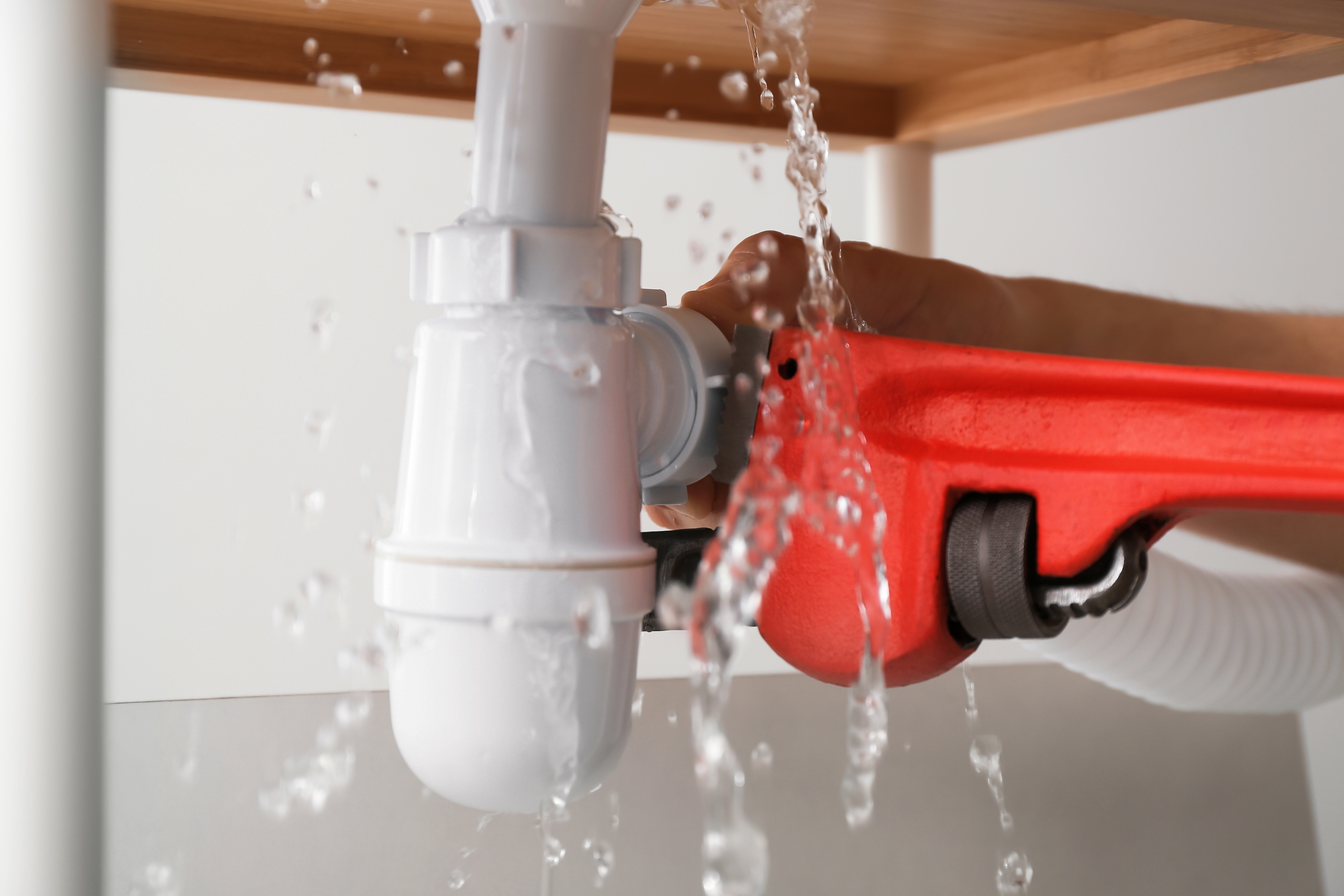
Professional leak repair begins with isolating the problem to prevent further damage. This often involves shutting off the water supply and assessing the extent of leakage. Engineers then locate the source of the leak using practical inspection and, where necessary, specialist detection tools.
Once the leak is identified, repairs are carried out using appropriate methods. This may include replacing damaged pipe sections, tightening or replacing fittings, repairing valves, or correcting faulty fixture connections. The goal is to restore safe water flow without recurring leakage.
After repairs are completed, systems are tested thoroughly. Water pressure, pipe integrity, and fixture performance are checked to ensure the issue is fully resolved. In cases of significant damage, professionals may also advise on drying, dehumidification, or further restoration work.
Immediate Steps Property Owners Should Take
When a leak occurs, quick action reduces damage. Shutting off the main water supply is often the most effective first step, particularly for burst pipes or uncontrolled leaks. If the leak is connected to an appliance or fixture, isolating valves may stop the flow locally.
Electrical safety should also be considered. If water is near sockets, lights, or electrical appliances, switching off power at the consumer unit may be necessary. Property owners should avoid touching wet electrical equipment and keep children and pets away from affected areas.
Documenting visible damage can be helpful for insurance purposes. However, the priority should always be stopping the leak and arranging professional repair. Emergency services provide the fastest and safest way to restore control when the leak cannot be contained easily.
Preventing Future Leaks and Water Damage
While not all leaks are preventable, proactive maintenance significantly reduces risk. Regular plumbing inspections help identify weakened joints, corrosion, and ageing pipework before failure occurs. Early repairs prevent minor leaks from becoming emergencies.
Protecting pipes during colder months is also essential. Insulating external pipework and maintaining consistent heating reduces the risk of freezing and bursting. Monitoring water pressure and addressing unusual drops early can also prevent system strain.
Following an emergency repair, professionals often recommend additional preventative steps. These may include upgrading pipe sections, replacing worn valves, or improving access to isolation points. Preventative care is a practical investment in long-term property protection.
Conclusion
Water leaks can cause extensive damage quickly, making emergency water leak repair essential when a fault cannot be controlled safely. Rapid professional intervention prevents moisture from spreading through walls, floors, and ceilings, protecting structural integrity and reducing repair costs. From burst pipes and faulty fixtures to hidden leaks behind plasterwork, emergency services provide accurate diagnosis and effective repairs that restore safety and prevent further harm. Acting quickly is the most important factor in limiting disruption and protecting property. With professional support and preventative maintenance, property owners can reduce the likelihood of future leaks and maintain a safer, more resilient home or business environment.